


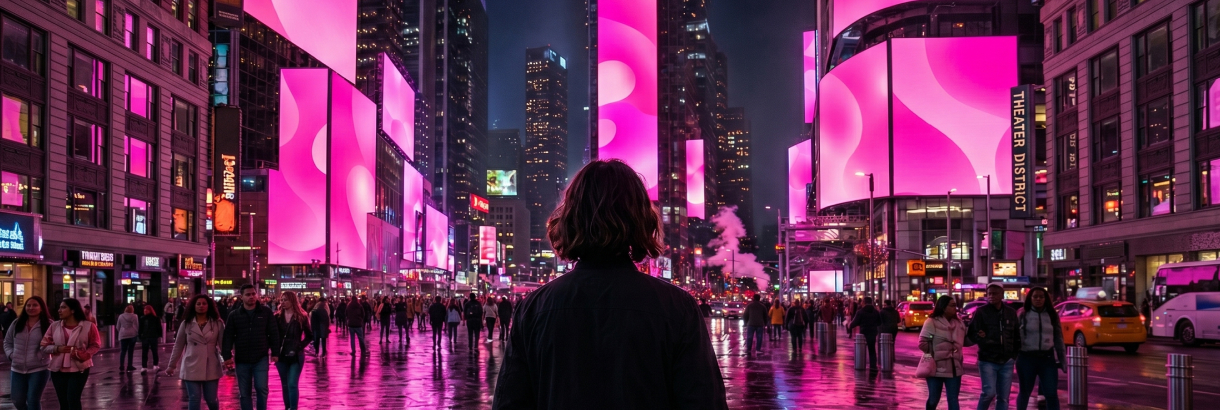
Programmatic DOOH transforms traditional outdoor media into a highly targeted, data-driven channel. By automating ad buying across digital screens, brands can deliver relevant messages to specific audiences at exact moments. This guide explores the core strategies, measurement techniques, and platform selections necessary to maximize your programmatic DOOH investments.
Key Takeaways
Q: What makes Programmatic DOOH different from traditional outdoor advertising?
A: It replaces fixed, manual contracts with automated bidding, allowing brands to adjust campaigns quickly and swap approved creatives mid-flight.
Q: How do brands reach specific audiences using Programmatic DOOH?
A: Marketers use aggregated location data to weight bids toward screens and dayparts where their target demographic is most densely represented.
Q: Can you measure the real-world impact of a Programmatic DOOH campaign?
A: Yes, by combining proof-of-play logs with panel-based location data, advertisers can report delivered plays and estimate incremental physical store visits against a control group.
Q: Why should advertisers use an omnichannel platform for Programmatic DOOH?
A: Platforms like Perion allow marketers to manage outdoor ads alongside other digital channels, improving cross-channel attribution and mobile retargeting.
Q: What role do dynamic triggers play in Programmatic DOOH?
A: They automatically swap creative assets based on real-time data feeds like weather or traffic, maximizing budget efficiency and contextual relevance.
Q: What is the first step to launching a successful Programmatic DOOH strategy?
A: Advertisers must define clear business objectives before selecting a technology partner, establishing data parameters, and designing adaptable creatives.
Understanding the Fundamentals of Programmatic DOOH Advertising
The transition from static billboards to programmatic DOOH advertising represents a fundamental shift in outdoor media buying. Instead of purchasing physical locations for fixed durations, advertisers bid on digital screen inventory based on audience availability and specific environmental conditions. This automated transaction model brings digital-like efficiency to the physical world.
Core Components of Automated Outdoor Media
Operating a successful campaign requires familiarization with the primary technology layers that facilitate these automated transactions. Advertisers rely on specific platforms to connect their creative assets with available digital screens in public spaces.
- Demand-Side Platforms (DSPs): Software interfaces where advertisers set campaign parameters, upload creative assets, and manage budgets.
- Supply-Side Platforms (SSPs): Systems used by media owners to list their digital screen inventory and manage yield.
- Ad Exchanges: The marketplace where DSPs and SSPs connect to execute automated bidding in real time.
| Feature | Traditional OOH | Programmatic DOOH Advertising |
| Buying Method | Manual, direct insertion orders | Automated, algorithmic bidding |
| Campaign Duration | Fixed-term contracts, typically four-week cycles | Flexible, pause or start instantly |
| Creative Swaps | Requires manual scheduling and labor | Rapid digital updates, subject to network approval |
How Targeting in Programmatic DOOH Drives Precision
Applying audience data to physical screen locations helps concentrate marketing budgets on high-value consumers. Effective targeting in programmatic DOOH relies on aggregated location data to map where specific demographic groups travel throughout the day. This intelligence allows advertisers to bid on screens primarily during the periods when their target audience is most densely represented.
Key Audience Activation Strategies
Unlike personal device targeting, out-of-home media utilizes a one-to-many approach. Technology partners like Perion help brands analyze aggregated movement patterns to identify the most efficient times and locations for ad playback.
- Proximity Targeting: Activating screens within a specific radius of a retail store or competitor location.
- Behavioral Audiences: Reaching groups based on observed physical habits, such as frequent gym-goers or daily commuters.
- Dayparting: Scheduling ads to run exclusively during specific hours, such as morning rush hour or lunch breaks.
1. Identify the primary consumer demographic using existing customer data.
2. Map the physical locations and transit routes most frequented by this group.
3. Select digital screen inventory that aligns with these high-traffic zones.
4. Set bid modifiers to prioritize screens showing the highest audience indexing scores.
Essential Methods for Measuring pDOOH Campaign Performance
Proving the value of outdoor media investments requires accurate data collection and attribution modeling. Measuring pDOOH involves tracking how exposure to a digital screen influences real-world consumer actions, moving beyond simple impression estimates to tangible business outcomes.
Primary Metrics for Campaign Evaluation
Advertisers must establish clear key performance indicators before launching a campaign. By combining proof-of-play logs with panel-based location data, marketers can model the consumer journey from initial ad exposure to final conversion.
| Measurement Type | Description | Business Value |
| Verified Impressions | The modelled number of targeted individuals with an opportunity to see the screen while the ad played. | Validates media delivery and audience reach. |
| Foot Traffic Attribution | Measuring the lift in store visits among modelled exposed audiences against a matched control group. | Evidences incremental impact on brick-and-mortar visits. |
| Brand Lift Studies | Surveying exposed audiences to measure changes in brand awareness or purchase intent. | Quantifies upper-funnel marketing success. |
Exposure modelling plays a critical role in this attribution process. A digital billboard has no sensing hardware and records nothing about passers-by, so measurement partners instead use consented, panel-based location data to model which audiences were in a screen’s viewshed while the ad played. Store visit rates for that modelled exposed group are then compared with a matched control group to estimate incremental visits.
Comparing Top Programmatic DOOH Platforms for Your Brand
Selecting the right technology partner determines the scale, efficiency, and reporting accuracy of your outdoor campaigns. Evaluating programmatic DOOH platforms requires a careful analysis of inventory access, targeting features, and integration capabilities.
Leading DSPs and Technology Providers
The market features several specialized providers, each offering unique advantages for media buyers. Omnichannel platforms such as Perion, whose Hivestack platform spans both the demand and supply sides, allow marketers to manage outdoor media alongside connected TV, audio, and display campaigns from a unified interface.
- Global Reach: Assess whether the platform connects to major SSPs to provide sufficient screen volume in your target regions.
- Data Partnerships: Verify that the DSP integrates with reputable location data providers, and that the consent provenance of that data is documented.
- Format Support: Ensure the system accommodates various screen types, from large-format highway billboards to point-of-sale displays.
Consolidating media buys through an omnichannel provider often yields better cross-channel attribution. When outdoor media data connects with mobile retargeting efforts, brands can sequence their messaging, serving mobile display ads to consented audience segments built from the areas a digital billboard covers.
Real-World Lessons from Successful Programmatic DOOH Case Studies
Analyzing practical applications of automated outdoor media reveals the tactics that tend to generate the strongest return on investment. The representative programmatic DOOH scenarios below illustrate the importance of contextual relevance and precise timing in modern advertising.
Retail and Quick Service Restaurant Triumphs
Brands operating physical storefronts often report footfall increases when they combine proximity targeting with urgent promotional messaging. These campaigns demonstrate how outdoor screens can function as direct-response channels.
- Retail Store Openings: A major apparel brand utilized digital transit shelters to guide shoppers to a new location, resulting in a measurable spike in opening-day foot traffic compared to control markets.
- QSR Weather Promotions: A fast-food chain deployed ads for iced beverages only when local temperatures exceeded eighty degrees Fahrenheit, lifting conversion at nearby drive-thrus.
- Entertainment Releases: A streaming service utilized countdown creatives on urban billboards to build anticipation for a premiere, syncing the outdoor messaging with mobile video ads.
The common thread among these approaches is the reduction of wasted impressions. By restricting ad playback to specific environmental conditions or highly concentrated audience clusters, these brands maximized their media budgets while delivering highly relevant consumer experiences.
Optimizing Your Budget with Dynamic Creative Triggers
Automated bidding systems offer the unique ability to swap creative assets in real time based on external data feeds. Dynamic Creative Optimization in outdoor media helps the message displayed on a screen match the current context of the surrounding environment.
Common Contextual Data Feeds
Connecting a DSP to live data sources allows campaigns to adapt without manual intervention. This strategy captures consumer attention by referencing immediate, relatable conditions.
- Weather Integrations: Triggering specific product visuals based on rain, snow, or high UV indexes.
- Traffic Conditions: Displaying long-form copy during heavy gridlock or concise branding during free-flowing highway conditions.
- Sports Scores: Switching to a pre-approved variant that celebrates a local team’s victory within minutes of the final whistle.
| Trigger Event | Creative Adaptation | Budget Impact |
| High Pollen Count | Ads for allergy medication activate on pharmacy screens. | Eliminates spend during low-allergy periods. |
| Flight Delays | Airport screens display ads for premium lounge access. | Targets travelers with high immediate intent. |
| Inventory Depletion | Campaign pauses automatically when a product sells out. | Prevents advertising out-of-stock items. |
Strategic Steps to Launching Your First Automated OOH Campaign in 2026
Preparing for 2026 media execution requires a structured approach to outdoor campaign planning. Marketers must align their data strategies, creative assets, and technology partnerships well before the intended launch date.
Implementation Roadmap
Successfully executing an automated outdoor campaign involves several sequential phases. Establishing a clear process prevents technical errors and ensures accurate performance tracking.
1. Define Clear Objectives: Determine whether the primary goal is brand awareness, foot traffic generation, or specific product sales.
2. Select a Technology Partner: Choose an omnichannel DSP, such as Perion, that offers comprehensive outdoor inventory and transparent reporting tools.
3. Establish Data Parameters: Build target audience profiles and define the specific geographical radiuses required for the campaign.
4. Design Contextual Creative: Develop multiple variations of your ad assets to accommodate different screen sizes, resolutions, and dynamic triggers.
Once the campaign is live, continuous monitoring is essential. Unlike traditional static billboards, automated campaigns allow marketers to adjust bids, shift budgets between locations, and update creative assets mid-flight to ensure maximum efficiency and sustained performance.


